How to Document the Sun's Analemma From Your Backyard in a Year
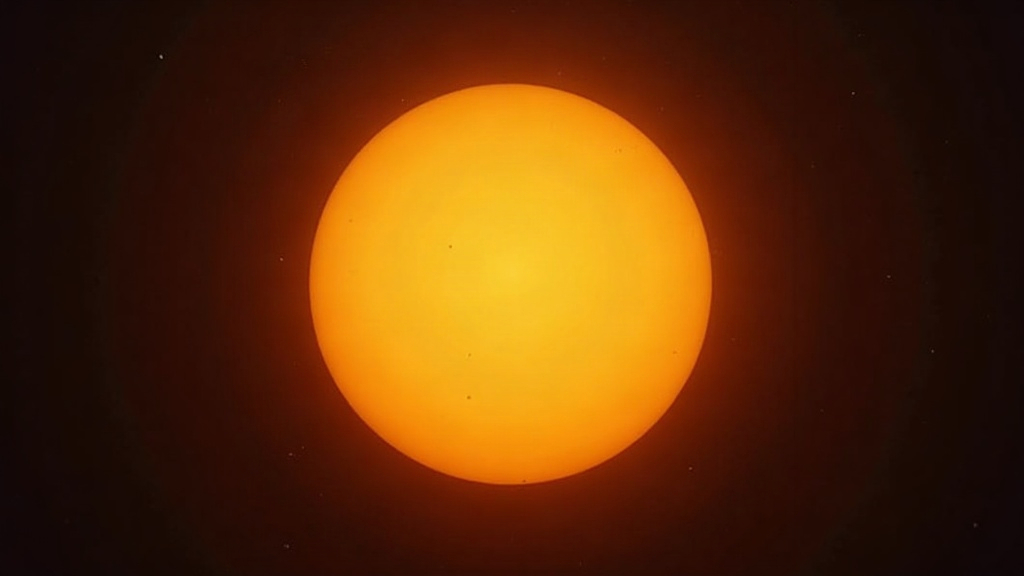
How to Document the Sun’s Analemma from Your Own Backyard
The sun’s analemma is that famous figure-eight shape you get when you photograph the sun from the exact same spot, at the exact same time of day, every few days for a full year. You don’t need an observatory for this. A basic camera, a fixed spot, and the discipline to show up every few days will get you there. Here’s the science behind it, the gear you’ll need, and a workflow that actually works.
What Exactly Is an Analemma?
Two things are happening at once to create this shape:
- Earth’s axial tilt (23.5°), which shifts the sun’s height in the sky as the seasons change.
- Earth’s elliptical orbit, which makes the sun drift slightly east or west of where a clock says it should be. Astronomers call this the “equation of time.”
Plot the sun’s position at the same clock time, same spot, every few days for a year, and these two effects combine into a thin, lopsided figure eight. If you’re in the Northern Hemisphere, expect the bottom loop to be noticeably bigger than the top one.
Why Document It Yourself?
You can find analemma photos online in about three seconds. So why bother making your own?
- You learn real solar mechanics by watching it happen, not by reading about it
- You end up with an image that’s genuinely yours, tied to your exact patch of sky
- It forces a kind of patience most projects today don’t ask for
- It makes for a striking composite, whether that’s for a blog, a portfolio, or something printed and framed on a wall
What You’ll Need
- A fixed camera position. Non-negotiable. Whether it’s a rooftop, a bolted tripod mount, or a window frame, the camera (or at least the marked spot) has to stay put for the full year.
- A wide-angle lens or a securely mounted smartphone. Wide enough to capture the sun’s entire seasonal swing without cropping it out at the edges.
- A consistent shooting time. Pick a clock time, say 12:00 PM local standard time (not daylight saving, or you’ll get an awkward hour jump mid-year) and shoot within a few minutes of it each session.
- A solar filter or dense ND filter, if you’re shooting the sun directly without something blocking it. Skip this and you risk frying your sensor or ending up with a blown-out white blob instead of a sun.
- A logging spreadsheet. Date, time, weather, frame number. Nothing fancy, just enough to keep track of 60+ sessions without losing your place.
Step-by-Step Workflow
1. Choose and Mark Your Spot
Find a spot with a clear, unobstructed view toward the sun’s path. Tape or paint the tripod leg positions on the ground so you can land in the exact same place every single time, not just “roughly there.”
2. Decide: Direct Sun or Silhouette Composite?
There are two main routes here.
- Direct multiple exposure, where you shoot the sun itself every few days onto a single frame. This needs a solar filter and manual exposure control, and it’s unforgiving if you mess up a setting.
- Composite method, where you photograph the sun’s position against a fixed foreground (a tree branch, a chimney, a flat horizon line) at each session, then stack all the frames digitally afterward. Much more forgiving for anyone just starting out.
Most people doing this from their backyard go with the composite method. No filter headaches, and you get more say over the final look in post-processing.
3. Shoot Every 3–5 Days, Same Time
Daily shooting is overkill, honestly. You don’t need it. Every 3 to 5 days is plenty, and over a year that lands you around 60 to 90 usable frames, which is more than enough to trace a clean curve. Set a recurring phone reminder so it doesn’t slip your mind.
4. Track Cloudy Days
Clouds will wreck some of your sessions. That’s fine, build the slack in from the start. Shooting within a 10-minute window of your target time keeps the data usable, and skipping a day here or there won’t break the final shape. The curve forms gradually, so a few gaps barely register.
5. Process and Composite
Once the year’s up, open Photoshop, GIMP, or Affinity Photo and stack every frame using a “lighten” blend mode, so each sun position sits visible against the same background. Use your fixed tripod reference to align the foreground elements precisely, otherwise the whole composite will look smudged instead of sharp.
Common Mistakes to Avoid
- Moving the camera mid-year. Even a shift of a few centimeters will warp the curve noticeably.
- Not correcting for daylight saving time. A one-hour jump in your schedule shows up as a visible kink in the data.
- Skipping the filter when shooting the sun directly. This isn’t a minor detail, it can damage your eyes and your sensor in one go.
- Quitting after a few cloudy weeks. Gaps are normal. The shape still comes together in the end.
Final Thoughts
This is a slow project, no way around that. But stick with it, a fixed camera spot, a consistent time each session, roughly a year of showing up, and you’ll end up holding a figure-eight image that almost nobody else has. Not a stock photo, not something pulled off Google Images. A real visual record of Earth’s tilt and orbit, captured from your own backyard.